
Home bike types and what each resists against
Home exercise bikes broadly split into upright, recumbent, and indoor cycling (spin-style) frames. Upright bikes feel closest to a road posture and suit riders who want a compact footprint. Recumbent bikes support the back and suit people who need a lower entry height or prefer less wrist load. Spin-style bikes use a heavier flywheel and often a performance saddle that rewards technique but can feel harsh for beginners. Resistance may be magnetic, friction, or motor-assisted in connected models. Choosing a type starts with joints, balance, noise limits in apartments, and whether you want quiet braking more than race simulation.
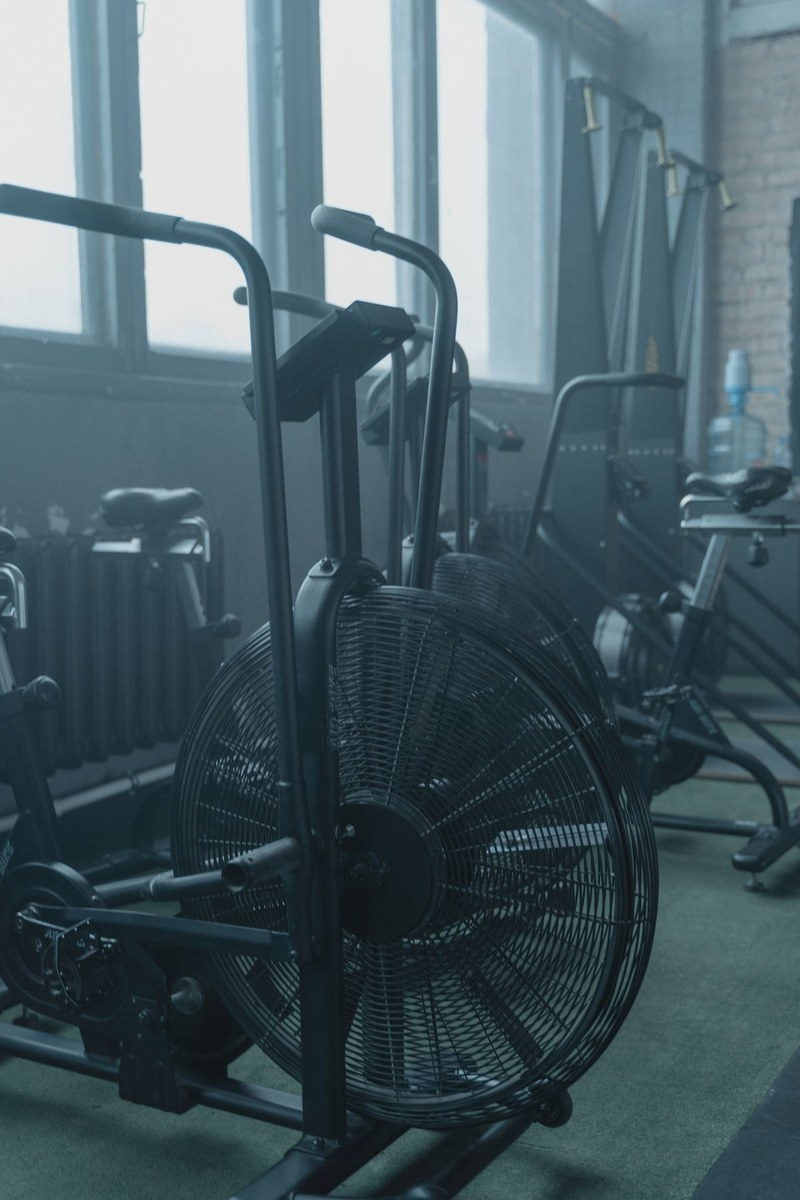
Move Your Way physical activity guidance, WHO fact sheets on physical activity, and ACSM public education pages outline why moderate cardio volume matters for adults, without prescribing a single machine brand. Use those references to set weekly minutes first, then pick hardware that fits your space and schedule in Malaysia’s humid climate. A bike that is slightly less “advanced” but used four times weekly beats a connected rig that becomes a clothes rack.
Seat, crank, and flywheel specs that change feel
Seat height should allow a soft knee bend at the bottom of the stroke. Handlebar reach that forces rounded shoulders creates neck fatigue before fitness improves. Crank length and stance width affect knee tracking; riders with prior knee issues should test before buying sight-unseen. Flywheel weight influences momentum: heavier wheels coast more smoothly but make the bike harder to move between rooms. When comparing an exercise bike for home, treat these fit points as first-class specifications beside screen size or class subscriptions.
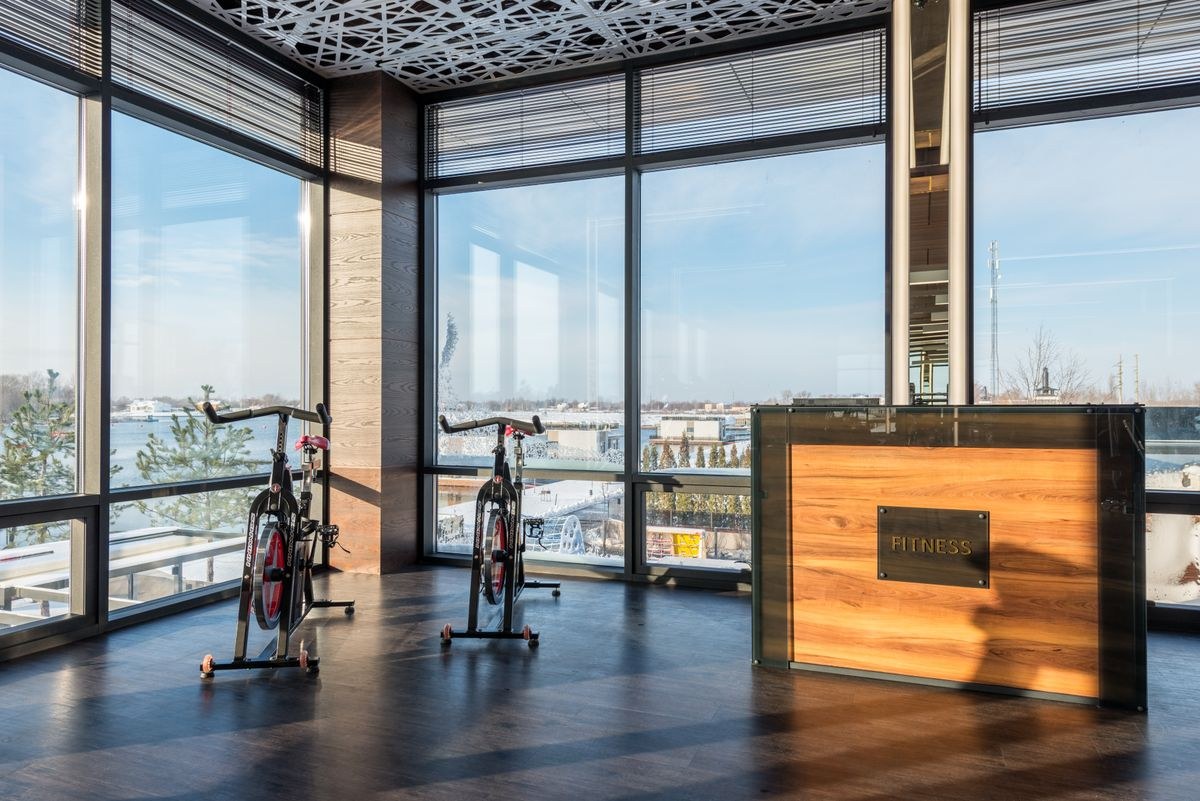
Noise ratings, floor protection, and whether the bike needs a dedicated mat matter in Malaysian apartments with downstairs neighbours. Measure the doorway, corridor turns, and lift before delivery day so the carton actually enters the home.
Weekly session patterns for busy households
Consistency beats occasional heroic rides. Three to five sessions of twenty to forty minutes fit many schedules better than a single exhausting weekend attempt. Alternate easier cadence days with short higher-resistance intervals if your clinician or trainer agrees it is appropriate for you. Keep a simple log of perceived effort rather than chasing unverified calorie numbers on consoles.
Hydration and room ventilation deserve attention in humid weather. A small fan often improves completion rates more than a new subscription class. Place a towel and water bottle within reach so short rides do not end early due to friction and thirst.
Recovery tools people pair after rides
Some households place light recovery tools near the bike corner: an eye massager for screen-tired evenings, or a foot massager after standing workdays that also include a ride. These devices are comfort accessories, not medical treatment for injuries. If you have neuropathy, recent surgery, or circulatory disease, ask a clinician before heated or compressed massage devices.
Stretch calves, hips, and thoracic spine after rides. Foam rolling is optional; pain that sharp-shoots is a stop signal. Sleep and protein intake influence how sessions feel the next morning more than most accessory gadgets.
Buying checklist before a home gym bike arrives
Confirm maximum user weight, warranty on frame versus wear parts, spare-part availability in Malaysia, and whether assembly needs two people. Check return windows for fit issues. Place the bike where you see it daily; hidden storerooms become unused equipment. Reassess saddle comfort after the first five rides and adjust before calling the product a failure. If pain persists in knees or back, stop and seek appropriate clinical advice rather than adding more resistance. Keep the receipt and serial number photographed for warranty claims.